
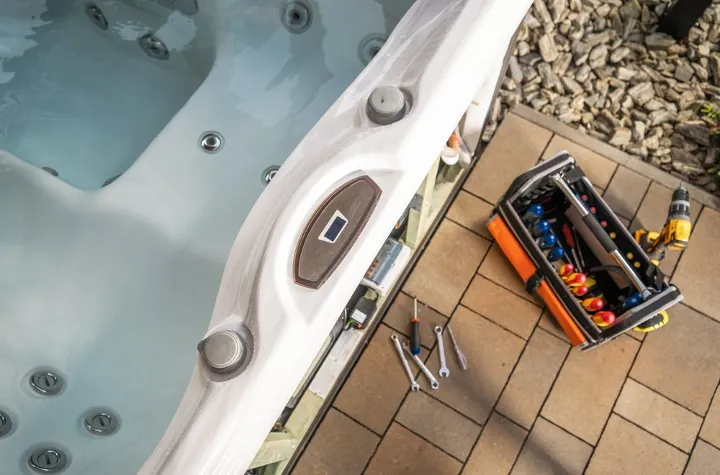
A hot tub can be a great addition to an outdoor living space, but like any mechanical system, it can eventually develop problems. Heating failures, weak jets, water leaks, pump issues, unusual noises, and control errors can interfere with normal use. Professional hot tub repair can help identify the underlying problem and restore the system to proper working condition.
Whether the issue is minor or involves a major component, addressing problems early can help prevent additional damage. A proper inspection can also determine whether repairing a component makes more sense than replacing the entire system.
Common Hot Tub Problems
Hot tubs rely on several systems working together, including pumps, heaters, plumbing, filtration, electrical components, and controls. A problem with one component can sometimes affect the performance of another.
Common signs that a hot tub needs attention include:
- Water that does not heat properly
- Weak or inconsistent jets
- Reduced water circulation
- Pump noises
- Water leaks
- Error messages
- Tripped breakers
- Malfunctioning controls
- Poor filtration
- Unexpected shutdowns
- Unusual smells or water conditions
Identifying the actual cause is important because the visible symptom may not always indicate the component that needs repair.
Hot Tub Heating Problems
One of the most noticeable problems is a hot tub that fails to reach the desired temperature.
Heating problems can be associated with the heater, thermostat, temperature sensors, circulation system, control board, or restricted water flow. A dirty filter or circulation problem can also affect how efficiently the heating system operates.
If the hot tub is not heating normally, avoid repeatedly changing the settings without understanding the cause. A professional inspection can determine whether the issue is related to the heater itself or another component.
Pump and Circulation Repair
The pump helps circulate water throughout the hot tub. If the pump is not working correctly, the jets may become weak and the water may not circulate as it should.
Possible signs of a pump problem include:
- Loud or unusual sounds
- Weak water movement
- Intermittent operation
- Pump failure
- Reduced jet pressure
- Water circulation stopping unexpectedly
Pump problems can involve the motor, impeller, seals, plumbing connections, or controls. Proper diagnosis helps determine whether the pump can be repaired or whether a component needs replacement.
Hot Tub Jet Problems
Jets can lose pressure or stop working for several reasons. A blockage, air in the system, restricted water flow, pump issue, or damaged jet component may be responsible.
If only one jet is affected, the problem may be limited to that particular component. If multiple jets suddenly become weak, the issue may involve the circulation or pump system.
A technician can inspect the system to determine why the jets are not performing as expected.
Hot Tub Leak Detection and Repair
Water loss should not be ignored. A small leak can gradually become a larger problem and may affect nearby equipment or surrounding surfaces.
Leaks can occur around:
- Pipes
- Fittings
- Pumps
- Valves
- Seals
- Heater connections
- Plumbing joints
- Other components
Finding a leak can sometimes be challenging because water may travel away from the original point of failure. Professional leak detection can help identify the source before unnecessary components are replaced.
Electrical and Control Issues
Hot tubs use electrical systems to operate heaters, pumps, controls, lights, and other equipment. Electrical problems may appear as a complete loss of power, error codes, unexpected shutdowns, or individual components failing to operate.
Because electrical equipment and water create serious safety concerns, electrical repairs should be handled by an appropriately qualified professional rather than attempted as a DIY project.
A professional can inspect the relevant components and determine whether the issue involves wiring, controls, sensors, breakers, or another part of the system.
Filter and Water Flow Problems
The filtration system helps remove debris and contaminants from the water. A dirty or clogged filter can restrict circulation and place additional strain on the equipment.
Potential signs of a filtration problem include:
- Reduced water flow
- Weak jets
- Cloudy water
- Circulation warnings
- Pressure changes
- Difficulty maintaining normal operation
Filters should be maintained according to the manufacturer’s recommendations. If water-flow problems continue after routine filter maintenance, the issue may involve another part of the system.
Modern Hot Tub Repair and Upgrade Trends
Hot tub technology continues to evolve, with newer systems emphasizing efficiency, convenience, improved controls, and easier monitoring.
Smart Controls
Modern hot tubs may offer digital or connected controls that allow users to monitor temperatures and adjust settings more conveniently.
Energy-Efficient Components
Newer pumps, heaters, and control systems may be designed to operate more efficiently. When an older component fails, it can be worth comparing the cost of repairing it with the potential benefits of upgrading.
Improved Water Management
Modern water-care technologies can help homeowners monitor and manage water conditions more easily. Automated systems can provide convenience, but they still require proper maintenance.
Component Upgrades
A repair visit can sometimes reveal that an older component is nearing the end of its useful life. Replacing an outdated component with a compatible modern alternative may provide a more practical long-term solution than repeated repairs.
Repair or Replace Your Hot Tub?
A malfunction does not automatically mean the hot tub needs to be replaced.
Repair may be appropriate when:
- The problem is limited to one component
- The hot tub is otherwise in good condition
- Replacement parts are available
- The repair cost is reasonable
- The system still has substantial useful life
Replacement may be worth considering when multiple major components are failing, the structure has significant deterioration, parts are difficult to source, or repair costs continue to increase.
A professional evaluation can help compare the expected repair cost with the condition and age of the entire system.
How Much Does Hot Tub Repair Cost?
Hot tub repair costs vary because every problem is different. A minor component replacement can require considerably less work than a complicated plumbing, pump, heater, or electrical repair.
Factors that can affect the total cost include:
- Type of failure
- Replacement parts
- Labor
- Diagnostic work
- Equipment age
- Plumbing accessibility
- Pump condition
- Heater condition
- Electrical components
- Extent of damage
Getting a diagnosis before approving repairs can provide a clearer understanding of what needs to be fixed and why.
How to Prevent Hot Tub Problems
Regular maintenance can help identify potential problems before they become more serious.
Helpful maintenance practices include:
- Following the manufacturer’s maintenance instructions
- Cleaning or replacing filters as recommended
- Monitoring water chemistry
- Maintaining the appropriate water level
- Checking for visible leaks
- Watching for unusual sounds
- Paying attention to error codes
- Keeping the surrounding area clean
- Scheduling professional service when problems appear
Maintenance cannot prevent every equipment failure, but it can help support reliable operation and extend the useful life of various components.
Benefits of Professional Hot Tub Repair
Hot tubs combine electrical, mechanical, plumbing, heating, and filtration systems. Diagnosing a problem correctly requires understanding how these components interact.
Professional repair can help with:
- Identifying the source of the problem
- Testing malfunctioning components
- Repairing pumps and circulation systems
- Addressing heating issues
- Finding plumbing leaks
- Evaluating control systems
- Replacing damaged components
- Determining whether repair or replacement is more practical
Professional diagnosis can also prevent unnecessary part replacements when the actual cause of the problem lies elsewhere.
Choosing the Right Hot Tub Repair Company
Choosing a qualified repair professional is important when your hot tub develops a problem. Working with an experienced service company can make it easier to diagnose the issue, select the right repair, and keep the system operating properly..
Before scheduling service, consider:
- Experience with hot tub systems
- Types of repairs offered
- Diagnostic capabilities
- Replacement part availability
- Pricing and estimates
- Warranty information
- Customer reviews
- Service availability
When contacting a repair company, provide as much information as possible about the problem. Mention whether the hot tub is not heating, the jets are weak, the pump is noisy, water is leaking, or an error code is displayed.
Frequently Asked Questions About Hot Tub Repair
Why is my hot tub not heating?
A heating problem can be caused by the heater, thermostat, sensors, circulation system, controls, or restricted water flow. A professional diagnosis can identify the actual cause.
Why are my hot tub jets weak?
Weak jets may result from restricted circulation, a clogged filter, pump problems, air in the system, or an issue with individual jet components.
How can I tell if my hot tub has a leak?
Unexpected water loss is one possible sign. A professional inspection may be necessary because water can travel away from the actual source of a leak.
Is it better to repair or replace a hot tub?
It depends on the age and condition of the system, the type of failure, replacement-part availability, and repair cost. A professional assessment can help you compare both options.
How often should a hot tub be serviced?
Maintenance requirements vary by model and usage. Follow the manufacturer’s recommendations and have the system inspected when you notice changes in heating, circulation, water level, or equipment performance.
Can hot tub electrical problems be repaired?
Yes, electrical problems can often be diagnosed and repaired by an appropriately qualified professional. Electrical components should not be opened or repaired by someone without the necessary expertise.
How can I extend the life of my hot tub?
Regular maintenance, proper water care, filter maintenance, timely repairs, and following the manufacturer’s operating recommendations can help keep the system functioning properly.
Get Professional Hot Tub Repair
A hot tub that is not heating, circulating water properly, or operating its jets can quickly become frustrating. Ignoring unusual noises, leaks, error messages, or other warning signs may allow a small problem to become more complicated.
Professional hot tub repair can help identify the cause, restore malfunctioning components, and determine whether repair or replacement is the better long-term option. With proper maintenance and timely service, you can keep your hot tub operating efficiently and ready to enjoy.