
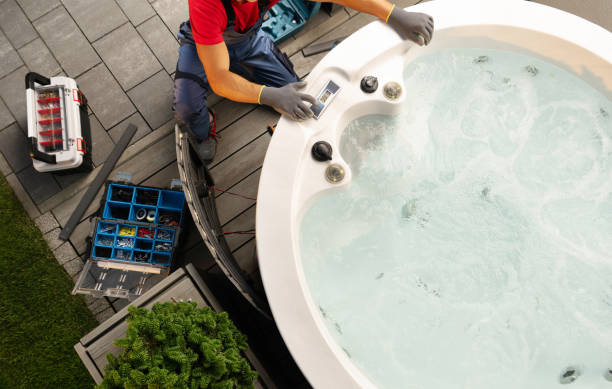
Hot tubs offer a perfect combination of relaxation, hydrotherapy, and stress relief. Whether installed indoors or outdoors, they create a comfortable environment where homeowners can unwind after a long day. However, maintaining a hot tub properly is essential to ensure the water remains clean, the system functions efficiently, and the equipment lasts for many years. This is where professional hot tub maintenance services play an important role. A trusted hot tub maintenance company can provide routine inspections, water treatment, equipment checks, and cleaning services to keep your spa operating at its best.
A well-maintained hot tub provides a safe and enjoyable experience for everyone using it. By hiring a reliable hot tub maintenance company, homeowners can ensure their spa water remains fresh, hygienic, and properly treated. Professional maintenance services also help extend the life of the hot tub equipment while reducing the risk of unexpected breakdowns, allowing homeowners to enjoy their spa with complete peace of mind.
Why Hot Tub Maintenance Is Essential
Routine hot tub maintenance plays a crucial role in maintaining water quality and protecting spa equipment. Because hot tubs operate at higher temperatures than swimming pools, bacteria and contaminants can multiply faster if the water is not properly treated.
Consistent maintenance ensures the hot tub remains safe for use while also preserving the performance of pumps, heaters, and filtration systems. When chemical levels remain balanced and the filtration system is clean, the water stays clear and comfortable for users.
Regular maintenance also prevents scale buildup, corrosion, and other problems that may damage the spa shell or internal components. Investing a small amount of time in maintenance each week can save significant repair costs in the future.
Understanding Hot Tub Water Chemistry
Water chemistry is one of the most important aspects of hot tub maintenance. Balanced water ensures that sanitizers work effectively and that users enjoy a comfortable soaking experience.
The pH level should generally remain between 7.2 and 7.8. If the pH becomes too low, the water may become acidic, leading to skin irritation and corrosion of equipment. If it becomes too high, sanitizers become less effective and the water may turn cloudy.
Calcium hardness is another factor that affects the condition of hot tub water. Proper calcium levels prevent corrosion of metal components and reduce the risk of scale buildup on surfaces and heating elements.
Maintaining proper chemical balance keeps the water safe, protects the equipment, and improves the overall hot tub experience.
Daily and Weekly Hot Tub Maintenance Routine
Creating a simple routine helps hot tub owners keep their spa in excellent condition. Small tasks performed regularly can prevent major issues from developing.
Daily checks allow users to monitor water clarity, temperature, and the general condition of the spa. If the water appears cloudy or develops an unusual odor, it may indicate that chemical levels need adjustment.
Weekly maintenance should include testing the water chemistry, adjusting sanitizer levels, and cleaning the filter system. These steps ensure the water remains balanced and contaminants are properly removed through filtration.
Maintaining a routine also helps detect equipment issues early. Pumps, heaters, and circulation systems should operate smoothly to maintain proper water movement and heating.
Essential Hot Tub Maintenance Tasks
To keep a hot tub functioning efficiently, several important maintenance tasks should be performed regularly.
- Test water chemistry at least two to three times per week
- Maintain proper sanitizer levels using chlorine or bromine
- Remove debris and surface contaminants from the water
- Rinse and inspect the filter to maintain water circulation
- Wipe the waterline to prevent buildup of oils and residue
These routine tasks significantly improve water clarity and help maintain a safe soaking environment.
Cleaning and Maintaining the Hot Tub Filter
The filter is responsible for trapping dirt, oils, hair, and debris that enter the hot tub water. Without a clean filter, the circulation system cannot remove contaminants effectively.
Filters should be rinsed with a hose at least once a week to remove accumulated debris. A deeper cleaning using a filter cleaning solution should be performed once a month to dissolve oils and minerals that become trapped within the filter fibers.
Over time, filters wear out and lose their ability to capture particles effectively. Replacing the filter every 12 to 18 months helps maintain proper filtration and ensures the hot tub operates efficiently.
Proper filter care also reduces strain on the pump and improves water clarity.
Draining and Refilling the Hot Tub
Even with balanced chemicals and regular filtration, hot tub water eventually accumulates dissolved solids that affect water quality. Draining and refilling the hot tub periodically is necessary to maintain fresh water conditions.
Most hot tubs should be drained and refilled every three to four months, although frequent use may require more frequent water replacement.
During this process, the spa shell should be cleaned using a gentle, non-abrasive cleaner designed for hot tubs. This removes residue and prevents buildup along the interior surfaces.
After refilling the tub with fresh water, the chemical balance must be restored before the hot tub is used again. Properly balanced water ensures the sanitizing system works effectively from the start.
Tips to Extend the Life of Your Hot Tub
Proper care not only keeps the water clean but also extends the life of the entire hot tub system. Following a few simple habits can help prevent unnecessary wear and tear.
- Keep the hot tub covered when it is not in use to protect it from debris and weather exposure
- Shower before entering the spa to reduce oils and contaminants in the water
- Avoid using lotions or hair products before soaking
- Inspect the cover, jets, and circulation system regularly
These preventative steps reduce maintenance requirements and help keep the hot tub operating efficiently.
Importance of Hot Tub Covers
The hot tub cover plays a vital role in maintaining water cleanliness and energy efficiency. A properly fitted cover prevents debris, leaves, and insects from entering the spa when it is not in use.
Covers also help retain heat, which reduces energy consumption and keeps the water temperature consistent. In colder climates, a high-quality insulated cover can significantly lower heating costs.
Cleaning the cover regularly and checking for signs of wear ensures it continues to provide protection and insulation for the hot tub.
Professional Hot Tub Maintenance Services
Although homeowners can handle routine maintenance tasks, professional servicing is recommended occasionally. Technicians can inspect internal components such as pumps, heaters, electrical systems, and plumbing connections.
Professional inspections help detect small problems before they become serious issues. Preventive servicing also ensures the hot tub operates safely and efficiently.
For hot tubs that experience heavy use, professional maintenance may be necessary more frequently to maintain optimal performance.
Conclusion
Hot tub maintenance is essential for ensuring a safe, relaxing, and hygienic spa experience. Proper care involves maintaining balanced water chemistry, cleaning filters regularly, draining and refilling water periodically, and inspecting the equipment that keeps the system functioning smoothly.
By following a structured maintenance routine and adopting good usage habits, hot tub owners can protect their investment and enjoy crystal-clear water year-round. Regular maintenance not only improves water quality but also extends the lifespan of the spa and reduces long-term repair costs.
With consistent attention and proper care, a hot tub can remain a reliable source of relaxation and comfort for many years.
Frequently Asked Questions (FAQs)
How often should hot tub water be changed?
Hot tub water should generally be replaced every three to four months to maintain proper water quality.
What chemicals are necessary for hot tub maintenance?
Common hot tub chemicals include sanitizers such as chlorine or bromine, pH adjusters, alkalinity increasers, and calcium hardness stabilizers.
How frequently should hot tub filters be cleaned?
Filters should be rinsed weekly and deep cleaned monthly to ensure proper filtration and circulation.
Why does hot tub water sometimes become foamy?
Foam is usually caused by body oils, soaps, detergents, or lotions entering the water.
How long should a hot tub run each day?
Most hot tubs should circulate water between 8 and 12 hours daily to maintain proper filtration and sanitation.
Is professional servicing necessary for hot tubs?
Professional servicing is recommended periodically to inspect internal components and ensure the system operates efficiently.