
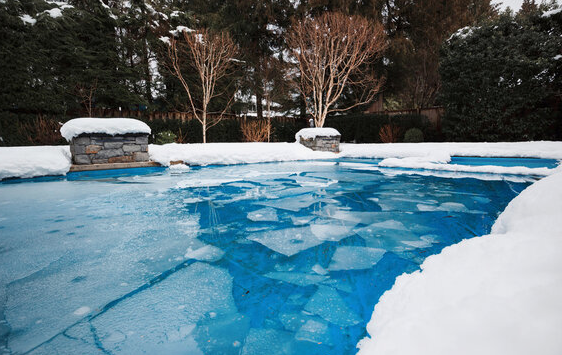
Preparing your home for seasonal temperature changes is one of the most important parts of home maintenance. In North Carolina, where winters can bring sudden freezes followed by mild spring weather, winterizing and de-winterizing your home helps protect plumbing systems, roofing structures, heating systems, and overall property condition.
This guide explains everything in detail, including what winterizing means, why it matters, how to prepare different areas of your home, and how to safely reverse the process when warmer weather returns. It is written in a simple, practical style so homeowners can follow each step easily.
What Does Winterizing a Home Mean
Winterizing a home means preparing your property for cold weather conditions to prevent damage caused by freezing temperatures, ice formation, and moisture buildup. A professional winterizing company focuses on protecting systems that are most vulnerable to cold weather, especially plumbing, roofing, and heating systems.
In addition, winterizing helps improve energy efficiency and reduces the risk of unexpected repairs during winter months. It is a preventive maintenance process that every homeowner should follow before temperatures drop, often carried out by an experienced home maintenance company to ensure everything is properly secured and insulated.
Why Winterizing Is Important in North Carolina
North Carolina experiences varying winter conditions depending on the region. Some areas experience mild winters, while others face sudden temperature drops and freezing nights. These unpredictable changes can create risks for homes that are not properly prepared.
Winterizing is important because it helps:
- Prevent frozen and burst pipes
- Reduce heat loss inside the home
- Protect roofing from ice buildup
- Avoid moisture and mold issues
- Maintain indoor comfort during cold months
Even short periods of freezing temperatures can cause serious damage if a home is not prepared in advance.
Key Areas That Need Winterizing
Several parts of the home require attention before winter begins. These areas are most vulnerable to cold weather damage and should be checked carefully.
The most important areas include:
- Plumbing systems
- Heating and HVAC systems
- Roof and gutters
- Windows and doors
- Exterior walls and foundation
Each of these areas plays an important role in maintaining home safety and energy efficiency during winter.
For example, unsealed windows can allow cold air to enter, while uninsulated pipes can freeze and burst.
How to Winterize Plumbing Systems
Plumbing systems are one of the most critical areas to protect during winter. Frozen pipes can cause leaks, water damage, and expensive repairs.
To winterize plumbing properly, homeowners should:
- Shut off outdoor water supply lines
- Drain garden hoses and disconnect them
- Insulate exposed pipes in basements, attics, and garages
- Seal gaps around pipes where cold air may enter
- Allow faucets to drip slightly during extreme cold
These steps help prevent water from freezing inside pipes, which can lead to bursting and serious damage.
Heating System Preparation for Winter
A properly functioning heating system is essential for winter comfort. Before cold weather arrives, it is important to ensure the system is clean and working efficiently.
Homeowners should:
- Replace air filters to improve airflow
- Inspect heating units for proper operation
- Clean vents and air ducts
- Test the thermostat for accuracy
- Ensure no blockages in heating vents
A well-maintained heating system not only improves comfort but also helps reduce energy waste during colder months.
Roof and Gutter Protection Steps
The roof and gutters protect your home from rain, snow, and ice. If they are not properly maintained, water can freeze and create damage.
To prepare the roof:
- Clear leaves and debris from gutters
- Check for missing or damaged shingles
- Inspect flashing around chimneys and vents
- Ensure proper water drainage
Clean gutters are especially important because blocked drainage can lead to ice buildup, which may damage roofing structures.
Exterior Home Winter Preparation
The exterior of your home also needs protection before winter arrives. Cold air can enter through small cracks and openings, reducing indoor comfort.
Important steps include:
- Sealing cracks around windows and doors
- Inspecting siding for gaps or damage
- Closing foundation vents when needed
- Covering outdoor furniture and equipment
- Checking weather stripping on doors
These improvements help reduce heat loss and protect exterior surfaces from cold weather damage.
What Does De-Winterizing Mean
De-winterizing is the process of preparing your home for warmer weather after winter ends. It involves reversing winterization steps and restoring normal water flow, ventilation, and system operation.
This process ensures that all systems return to normal safely without causing leaks or damage.
It is equally important as winterizing because improper reactivation can also cause problems in plumbing and HVAC systems.
Step-by-Step De-Winterizing Process
When temperatures begin to rise, homeowners should carefully restore their home systems.
Key steps include:
- Reconnecting outdoor water supply lines
- Turning on outdoor faucets slowly to check pressure
- Inspecting plumbing for leaks or damage
- Cleaning gutters and roof surfaces
- Replacing HVAC filters if needed
- Opening sealed vents and foundation areas
It is important to take things slowly and inspect each system carefully before full use.
Seasonal Maintenance Best Practices
Regular seasonal maintenance helps keep your home in good condition throughout the year. Instead of waiting for problems to occur, homeowners should follow a preventive approach.
Best practices include:
- Inspecting your home before every season change
- Checking insulation in attics and basements
- Cleaning drainage systems regularly
- Monitoring indoor humidity levels
- Scheduling HVAC system inspections
These simple habits can prevent costly repairs and improve long-term home performance.
Common Mistakes Homeowners Make
Many homeowners make avoidable mistakes when winterizing or de-winterizing their homes. These mistakes can lead to damage or system failure.
Common mistakes include:
- Forgetting to disconnect outdoor hoses
- Ignoring small pipe insulation needs
- Turning water systems back on too quickly
- Skipping HVAC maintenance checks
- Overlooking roof and gutter cleaning
Avoiding these errors is essential for protecting your home during seasonal transitions.
Frequently Asked Questions
What is the purpose of winterizing a home?
Winterizing protects your home from freezing temperatures, pipe damage, and heat loss during cold weather.
When should you winterize your home in North Carolina?
It is best to winterize before the first freeze or when temperatures begin to drop consistently.
Is winterizing necessary for mild winters?
Yes, even mild winters can bring sudden freezes that damage plumbing and roofing systems.
What happens if you don’t winterize your home?
You may experience frozen pipes, water leaks, roof damage, and higher repair risks.
Why is de-winterizing important?
De-winterizing safely restores home systems after winter and ensures everything works properly for warmer weather.
Conclusion
Winterizing and de-winterizing your home is an essential part of seasonal maintenance in North Carolina. These processes help protect plumbing systems, roofing structures, heating systems, and overall home safety.
By preparing your home before winter and carefully restoring it afterward, you can prevent damage, reduce repair risks, and maintain year-round comfort. Consistent maintenance ensures your home remains efficient, safe, and ready for every season.